

28 May 2026
Summer travel disruption: what does travel insurance cover?
3 minutes
Flight cancelled? Bags delayed? With jet fuel shortages and global disruption making headlines, here’s what your travel insurance can (and can’t) do this summer.
This summer is shaping up to be one of the busiest and most unpredictable travel seasons in years. Popular routes are under pressure and headlines about jet fuel shortages and airspace closures are enough to make even seasoned travellers pause before packing their bags.
But with so much noise around what is and isn’t covered, it’s not always clear where you stand if something goes wrong. Here’s a clear, practical guide to the current travel and insurance landscape, so you know exactly what protection you have before you go.
What does travel insurance cover?
Travel insurance is there to protect you financially if something happens before you travel or while you’re away. This could include the cost of:
- Cancelling your trip if you become ill and can’t go
- Emergency medical treatment while you’re away
- Baggage lost, damaged or stolen during your trip
- Emergency accommodation and other necessities if your flight is delayed above a certain threshold
That’s why it’s crucial to sort your travel insurance as soon as you book your trip. No one wants their holiday turning into a nightmare of medical bills, lost luggage, and cancelled flights.
Should I travel in the current political climate?
Flights around the world have faced disruption after the closure of airspace due to widening conflict and in the Middle East. The UK Foreign, Commonwealth & Development Office (FCDO) advises which countries are safe or unsafe to travel to.
You can sign up to FCDO travel advice email alerts, to get the most recent updates, as well as checking with your airline before flying and keeping an eye on both local and international news.
Crucially, if the FCDO advises against all but essential travel to a location and you go anyway, your insurance may be void. Always check the FCDO website before booking or travelling, especially as in some cases the advice not to travel only refers to certain regions. Your policy will be valid if you’re travelling to the ‘green area’ of the country.
If you’re considering cancelling a trip yourself, it’s important to note that unless the Foreign Office has issued official advice against travelling to that country, you’re unlikely to be entitled to a refund and your travel insurance may not cover you.
However, you can claim for the impact of political unrest. We’ve seen situations where travellers set off when everything appears safe according to FCDO advice, only to find the situation changes rapidly. Depending on your policy, insurers may cover things like long delays or unexpected accommodation if your flight is disrupted. This usually applies after a set delay (often 6–24 hours). Keep all receipts and paperwork, and remember insurers won’t pay for costs you can reclaim from your airline or travel provider.
If you’ve booked a package holiday, speak to your tour operator first. Many offer rebooking options, and ABTA‑registered operators must provide a refund or suitable alternative when the FCDO advises against travel. If you booked through a travel agent, they should also be your first point of contact.
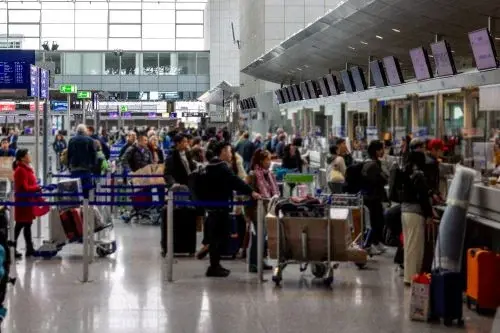
For DIY trips, your airline is responsible for cancellations or delays under passenger rights rules. However, accommodation and car hire arranged separately may need to be claimed through your travel insurance if the FCDO advises against travel.
It’s important to note that unless the Foreign Office has issued official advice against travelling to that country, you’re unlikely to be entitled to a refund and your travel insurance may not cover cancellation in these circumstances.
Jet fuel shortages – can you claim on travel insurance?
Jet fuel shortages have made worrying headlines as we head into peak summer travel. By early May, European airlines had cut around 13,000 flights. That sounds dramatic, but it still represents just 1% of global flights – and flights in and out of the UK are largely unaffected.
The Department for Transport has been clear: there’s currently no need to change your travel plans. UK airlines buy fuel well in advance, airports hold reserve stocks, and British airlines say flights are operating as normal.
That said, the government has given airlines more flexibility this summer. They can cancel flights weeks ahead without losing valuable airport slots, merge services on the same route, or move passengers on to alternative flights to save fuel. That could mean more changes to schedules – but if your flight is cancelled, your rights kick in straight away.
Under UK law, passengers are usually entitled to a refund or re‑routing. Your airline or travel provider is responsible for putting things right first. Travel insurance typically steps in after those rights are exhausted – for example, covering knock‑on costs like accommodation or meals during long delays, depending on your policy.
How to find the best travel insurance?
When it comes to finding the right policy, using an insurance broker will help with ambiguous questions, especially around medical conditions and travel disruptions. Not all policies include travel disruption cover as standard, but a broker will be able to advise you on the level of cover you need and tailor your insurance to you.
A broker, such as Howden, will also have access to the latest ‘off-sale’ destinations, which can be complex to navigate – as recent events have shown how quickly FCDO guidance and travel plans can change. Brokers like Howden can also help you keep track of which destinations may be harder to get travel insurance for, or where cover might be limited. This is important because official UK travel advice can change quickly, which can affect your plans and your insurance.
If you’re unsure where to start, we’re here to help you explore your options with confidence. Find your nearest Howden branch to speak to your local team.
Sources: BBC News, The Independent, The Sun, The Telegraph, Gov.UK.