

28 September 2026
Think your home isn’t a flood risk? Think again
3 minutes
Key takeaways
Many UK homeowners underestimate their flood risk, particularly from flash flooding and surface water flooding.
Preparing a flood kit and storing important belongings in waterproof containers can save valuable time and reduce losses.
Flood-resistant and flood-resilient home improvements can help limit damage and may support future insurance applications.
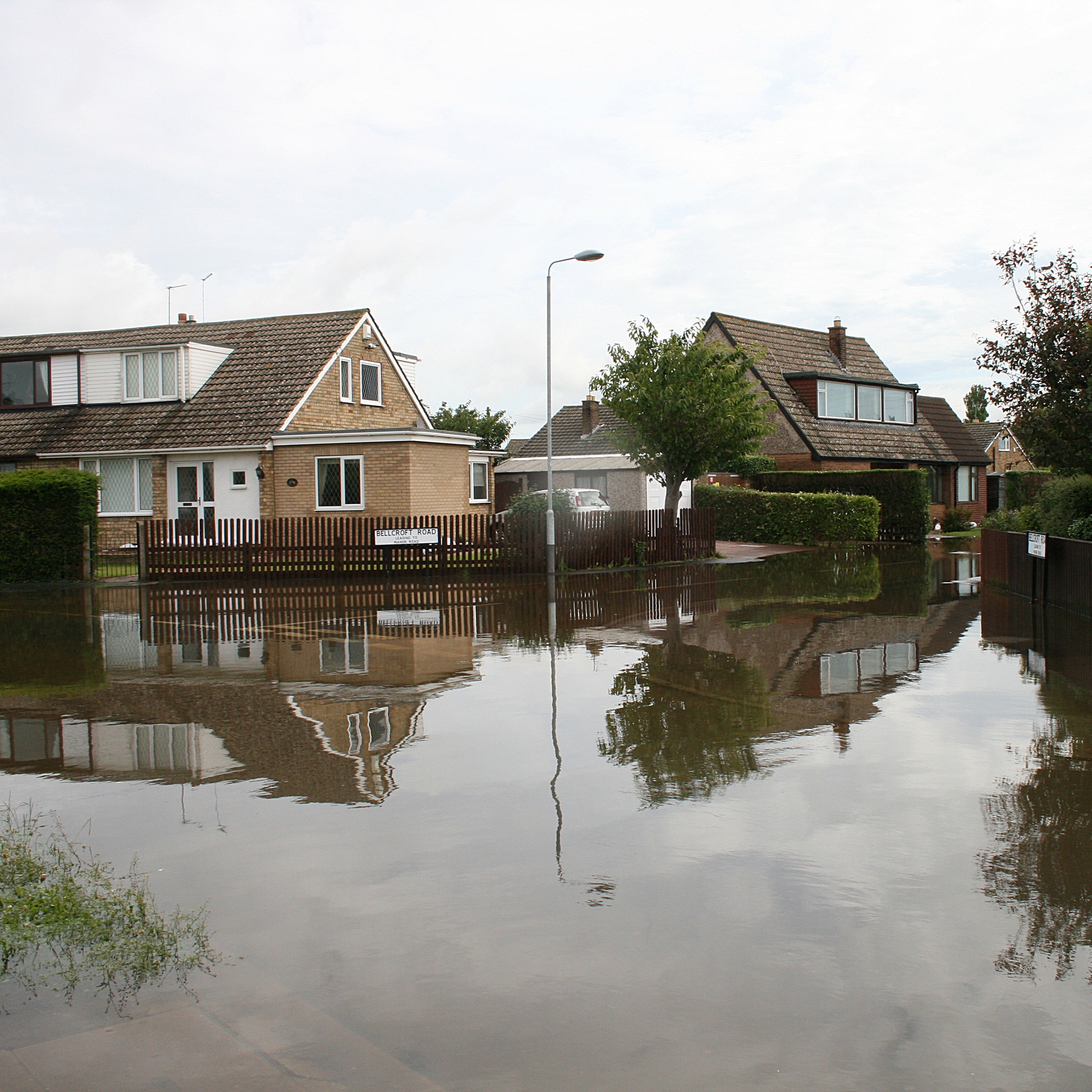
When most people picture a flood-risk property, they imagine a cottage beside a river or a home overlooking the coast. The reality is very different. Many of the homes most at risk of flooding aren't rural. Around 80% of England's high-risk properties are in towns and cities.
And after the long period of hot, dry weather we recently experienced in the UK, the ground becomes hard and compacted. When heavy rain arrives suddenly, instead of soaking into the soil, water runs across roads, pavements and gardens. This can overwhelm drains in minutes, creating flash floods in areas that may never have experienced flooding before. So don’t assume you’re safe from flooding. The average cost of repairing flood damage to a home is estimated at around £30,000. Without insurance, the financial impact could be devastating.
What to do outside to protect your home from floodwater
The good news is that some of the most effective flood-prevention measures are also some of the simplest.
Insurers expect homeowners to take reasonable steps to look after their property. Routine maintenance can help reduce damage and demonstrate you've acted responsibly if you need to make a claim. Start by checking:
Gutters and downpipes for leaves, moss and debris
Drains and gulleys around your property
Ditches and water channels on your land
Roof tiles for signs of damage or movement
Fences, gates and boundary walls for weaknesses
Keeping these areas clear helps water drain away more effectively during heavy rainfall. If your property has a history of flooding, or you're concerned about increasing risks, consider more permanent flood-resistant measures, including:
Flood doors or removable flood barriers
Self-closing air bricks or air brick covers
Non-return valves on drains and pipes to prevent sewage backing up
Waterproof coatings and repairs to external brickwork
Flood-resistant walls, fences or landscaping
Just remember: only carry out maintenance and repairs if it's safe to do so. Don't attempt to work on roofs or ladders during severe weather conditions.
What to prepare inside your home?
Flood preparation isn't just about protecting your property. It's about protecting the people and possessions that matter most. A good place to start is with a simple flood emergency kit containing:
Torches and spare batteries
Drinking water
Basic first aid supplies
Waterproof clothing
Mobile phone chargers or power banks
Essential medications
Copies of important documents
It's also worth thinking about how you'll protect belongings if flooding becomes likely. Some low-cost but surprisingly effective ideas include:
Storing important paperwork in waterproof plastic boxes
Moving valuables onto higher shelves
Keeping treasured items upstairs when heavy rain is forecast
Raising furniture on blocks or temporary stands
Using plastic storage crates that can be quickly moved to safety
If you live in a bungalow, consider asking a family member or friend to store irreplaceable sentimental items during periods of increased flood risk. Even small measures can make a big difference. Flood resilience expert Mary Dhonau has suggested placing waterproof containers or Wellington boots over wooden furniture legs to limit water damage. Aluminium tape can also provide a temporary seal over air bricks in some situations.
How can flood-resilient improvements reduce damage?
Flood-resilient design accepts that water may enter a building and focuses on reducing the damage it causes. The goal is simple: recover faster and return to normal life sooner. Practical flood-resilient measures include:
Choosing water-resistant materials in kitchens and bathrooms
Replacing carpets with tiles, concrete or treated flooring
Raising electrical sockets above likely flood levels
Installing white goods on concrete plinths or blocks
Keeping sacrificial furniture available to raise important items
Creating a dedicated "flood cupboard" containing pumps, crates, boots and emergency equipment
These improvements can significantly reduce drying times and repair costs after a flood.
Why your insurance matters more than ever
Preparing for a flood might feel like a chore, but it's far easier than dealing with the aftermath. Some homeowners spend up to nine months out of their property after a major flood, so a little planning now can go a long way. Insurance plays a crucial role in helping you recover financially and practically. However, obtaining cover in higher-risk areas can sometimes be more challenging. Insurers may consider local flood history, previous claims, the property's construction and any resilience measures already in place. That's why it's important to review your cover regularly and make sure it still reflects your circumstances.
At Howden, we can help you understand your risks, explain flood mitigation measures to insurers and make sure you're getting cover that's right for your circumstances. And if the worst does happen, we'll be by your side to help guide you through the claims process. If you're reviewing your flood preparedness, make insurance part of the plan. Search for your nearest Howden branch and speak with one of our local experts. We'll help make sure you're protected, whatever the weather decides to do next.
Sources: The Guardian, MoneySuperMarket, National Housing Federation
Related Products
Trust Howden, a home insurance broker, to help you find a tailor-made home policy that meets your budgetary and insurance expectations.
Reimburse your excess and avoid being left out of pocket with home excess protection.
Don’t let legal costs drag you down; rely on a legal expenses policy you can trust.
Have a problem in your home that needs fixing immediately? Look no further than a home emergency insurance policy to keep your home protected at all times.