

23 October 2026
Storm and flood risk in rural Britain: why preparation matters
4 minutes
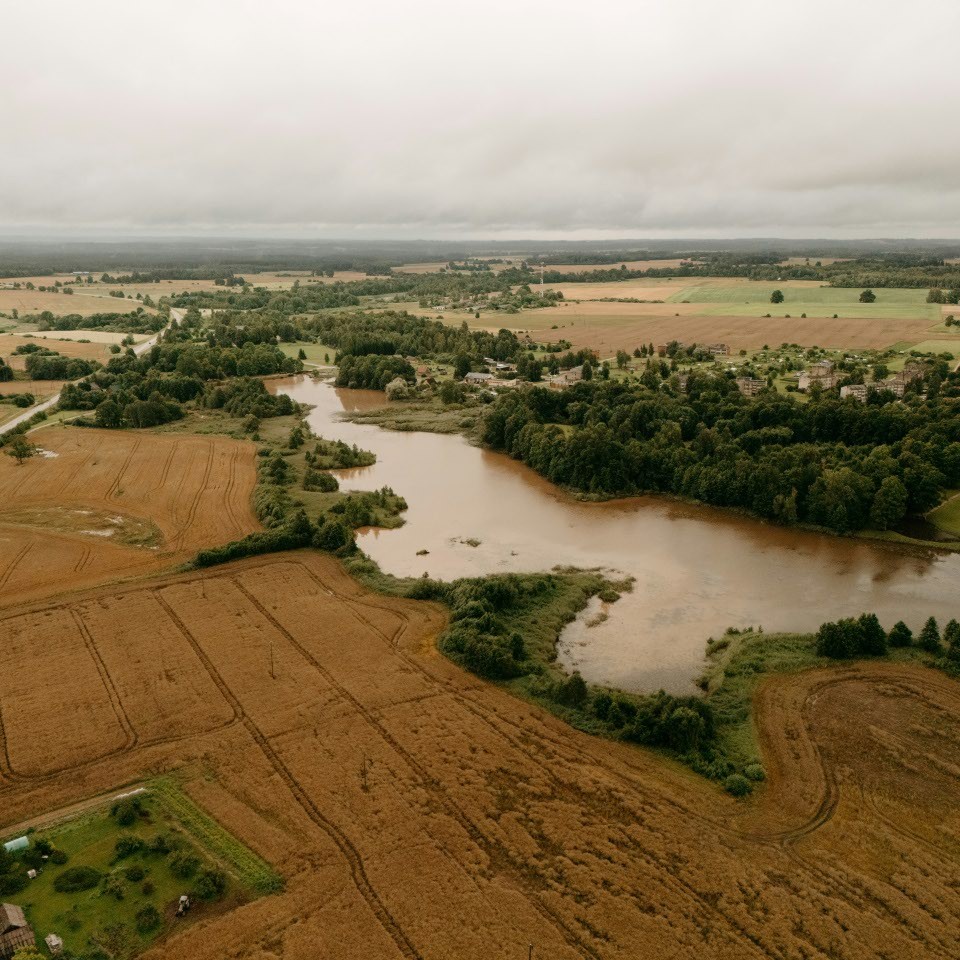
With the possibility of wetter and stormier conditions during 2026–27, now is a good time for farmers, landowners and rural businesses to consider how prepared their properties and operations are for severe weather. The Met Office has flagged an increased likelihood of rainfall and storms from November as El Niño develops, providing unusually early warning of the potential for wetter, stormier conditions. While this doesn't mean damaging weather is certain, it provides an opportunity for rural businesses to prepare.
Many rural businesses have witnessed first-hand how weather patterns have changed in recent years. Higher rainfall levels, more intense storms and periods of prolonged wet weather can place significant pressure on drainage systems, watercourses and agricultural land. Strong winds can also expose weaknesses in buildings, trees and other structures, while historic flooding events associated with major storms have demonstrated how vulnerable farm operations and rural properties can be.
For rural communities, the effects can be wide-ranging. Damage to roofs and agricultural buildings, fallen trees, flooded land and inaccessible roads can all disrupt normal operations. Livestock, machinery, stored feed, crops and utilities can also be affected, making preparation an important part of protecting the wider farming or rural business.
Understanding your exposure
No two rural properties face exactly the same risks. Location, surrounding land, watercourses, drainage, trees and the condition and construction of buildings can all influence how a property responds to severe weather.
High winds and storms can expose weaknesses in roofs, cladding, doors and outbuildings, as well as bring down trees and branches. Loose equipment and materials around yards may also pose a risk.
Heavy or persistent rainfall can put pressure on drainage systems, ditches and watercourses, potentially leading to waterlogging or flooding.
Flooding can come from rivers, surface water, groundwater or coastal sources. Intense rainfall can also create problems in locations that have not previously experienced significant flooding.
Following a particularly dry summer, hard or compacted ground may be less able to absorb sudden heavy rainfall, increasing run-off and putting additional pressure on drainage and low-lying areas.
Prolonged wet weather can also have a significant impact on agricultural land. Waterlogged fields can leave crops standing in water and make it difficult, or sometimes impossible, to access land or carry out normal cultivation. Even once water levels subside, saturated ground can delay fieldwork and lead to additional cultivation and land management costs as farmers work to restore affected areas.
There can be wider knock-on effects across the farm too. Damage to a building, for example, could affect livestock housing or feed stores, while flooding or fallen trees could restrict access to parts of the farm.
Preparing for severe weather
Check buildings and roofs. Inspect roofs, cladding, doors, windows and agricultural buildings for signs of damage or weaknesses that could leave them vulnerable to wind and rain.
Review trees and exposed areas. Look out for deadwood, unstable trees and branches close to buildings, vehicles, roads and overhead services.
Check drainage, ditches and watercourses. Make sure they are well maintained and, where appropriate, clear of obstructions that could restrict the flow of water. Pay particular attention to known problem areas and places where water has collected or caused issues in the past.
Secure machinery, equipment and loose items. Consider anything stored outside or in exposed yards that could be damaged or moved by strong winds.
Plan for livestock. Think about access to higher ground or alternative housing, feed and water supplies, and how livestock could be moved safely if conditions deteriorate.
Think about access. Consider how you would respond if a road, track, bridge or gateway became inaccessible due to floodwater, debris or fallen trees.
Have a severe weather plan. Keep key contacts, emergency procedures, alternative access arrangements, important documents and insurance details readily available.
Review insurance arrangements. Check that buildings, contents, machinery, livestock and business interruption arrangements continue to reflect your needs, including the storm and flood cover that applies.
Review whether your insurance reflects the risks you face
Even with good preparation, severe weather can still result in significant damage and disruption. Reviewing your insurance before a period of more unsettled weather can help identify whether your cover still reflects your property and business as they are today.
Depending on your policy and the cover selected, insurance may protect buildings, machinery and other farm property against risks including storm, flood and falling trees. However, cover can vary and exclusions or limitations may apply, particularly to property kept in the open, fences and gates, crops and livestock.
It is also worth considering the wider impact of severe weather. Physical damage may be only part of the problem if a storm leaves part of a business inaccessible or unable to operate. Appropriate business interruption cover can provide protection for loss of revenue following an insured event, with certain policies also offering extensions relating to prevention of access, utilities and alternative premises. A regular conversation with your broker can help establish whether your insurance continues to reflect:
the value and use of your buildings
machinery and other farm property
livestock
business interruption exposures
changes to your business or property
the specific storm, wind and flood risks affecting your location.
What about woodland or forestry?
Severe weather risks aren't limited to buildings and farmland. High winds can also result in significant damage to woodland and commercial forestry.
For those with growing timber, specialist insurance may be worth considering. Howden Rural’s Forestry policy can protect the value of growing timber against selected risks including windstorm and flood. Depending on the cover selected, protection can also extend to re-establishment costs and management felling following an insured loss.
How Howden can help
For farmers and rural property owners, resilience is increasingly becoming as important as protection itself. By understanding the risks and acting early, businesses can place themselves in the strongest possible position to weather whatever the seasons bring.
At Howden, we look beyond insurance alone. We can help you consider the risks facing your farm, estate or rural property, identify practical steps that may help reduce your exposure, and review whether your insurance continues to reflect your property and business. Our approach also extends to helping clients manage risk day to day, with Farm & Estate policyholders having access to complimentary online Farm Health & Safety Training.
If you'd like to discuss your insurance, risk management or how prepared your rural business is for severe weather, please contact the Howden Rural team on 0330 165 2733 or email rural@howdeninsurance.co.uk.
Related Products
Rural businesses come in all shapes and sizes, each needing bespoke insurance policies which suit their particular needs. Explore our range of rural insurance products and learn more about how they could protect your business.
We offer a comprehensive range of farm and estate insurance policies to suits farmers, landowners, and estates of all sizes.