

26 October 2026
Protect your caravan from theft this winter!
3 minutes
Key takeaways
Darker nights give vehicle thieves more opportunities to strike.
Keeping your leisure vehicle in a secure location, with added security precautions can help deter thieves.
Having the right insurance can also protect you financially, should the worst happen.
As we head into winter and the popular touring season comes to an end, many are packing down their leisure vehicles ready for winter. But this can mean leaving your camper, caravan or motorhome unattended for longer stretches. And, combined with the cover of darker nights, this gives thieves the perfect opportunity to strike.
There’s lots of news coverage about stolen cars and vans, with the level doubling in the last decade while the proportion of cases solved by police falling. But what about leisure vehicles?
The Stolen Motorhome Database group on Facebook reports more than 130 thefts of motorhomes and campervans in 2025, equally more than two a week. Not only are the vehicles themselves attractive targets for thieves, but there could also be extra bits of kit, accessories or personal items inside.
How to keep your caravan or motorhome safe
Despite some models costing £100,000 or more, research shows that half of leisure vehicles do not have an alarm fitted. What’s more, only 10% have a tracker, which typically costs only around £200 to £400 to be fitted. Security measures can not only act as a visual deterrent for thieves but may also slow them down if they do try to steal your caravan or motorhome. There are also ways of tracking and tracing your vehicle. The police recommend taking the following steps to keep your vehicle safe:
Install CCTV where you park your caravan, and potentially inside the vehicle too.
Block access to your garden, driveway or garage with locks and/or a parking post.
Install security devices such as an alarm, immobiliser and tracking device.
Use steering, wheel, and pedal locks. Make sure these are very visible deterrents.
Keep all keys locked safely in your home, well away from doors and windows.
Take out any removable items from inside, especially valuable and desirable items, especially if they’re visible through a window.
Have your vehicle, and any expensive property inside security marked. Your local Neighbourhood Policing Team can help with this, ring 101 as a first port of call.
Keep a selection of good quality photos of your vehicle, which police can use to help identify your vehicle if it were stolen and recovered.
Report any suspicious activity around your vehicle to the police, so they can take action straight away.
Contact the police with your Vehicle Identification Number if your caravan or motorhome is stolen.
How to spot a stolen caravan?
If you're thinking of buying a caravan, or perhaps replacing your current model, there are a few tell-tale signs of a dodgy dealer.
Check the CRiS number, which should be displayed on at least seven of the windows and stamped into the chassis. Thieves are aware this unique number identifies the caravan, so signs of damage to it could be an indication that things aren’t what they seem.
When purchasing a caravan, make sure you are given the original registration document and ask the seller for a written receipt to confirm ownership is transferred to you. It should show:
The buyer’s full name and address
The seller’s full name and address
The make, model and 17-digit ID number of the caravan
The date
The price paid
Signatures of both parties
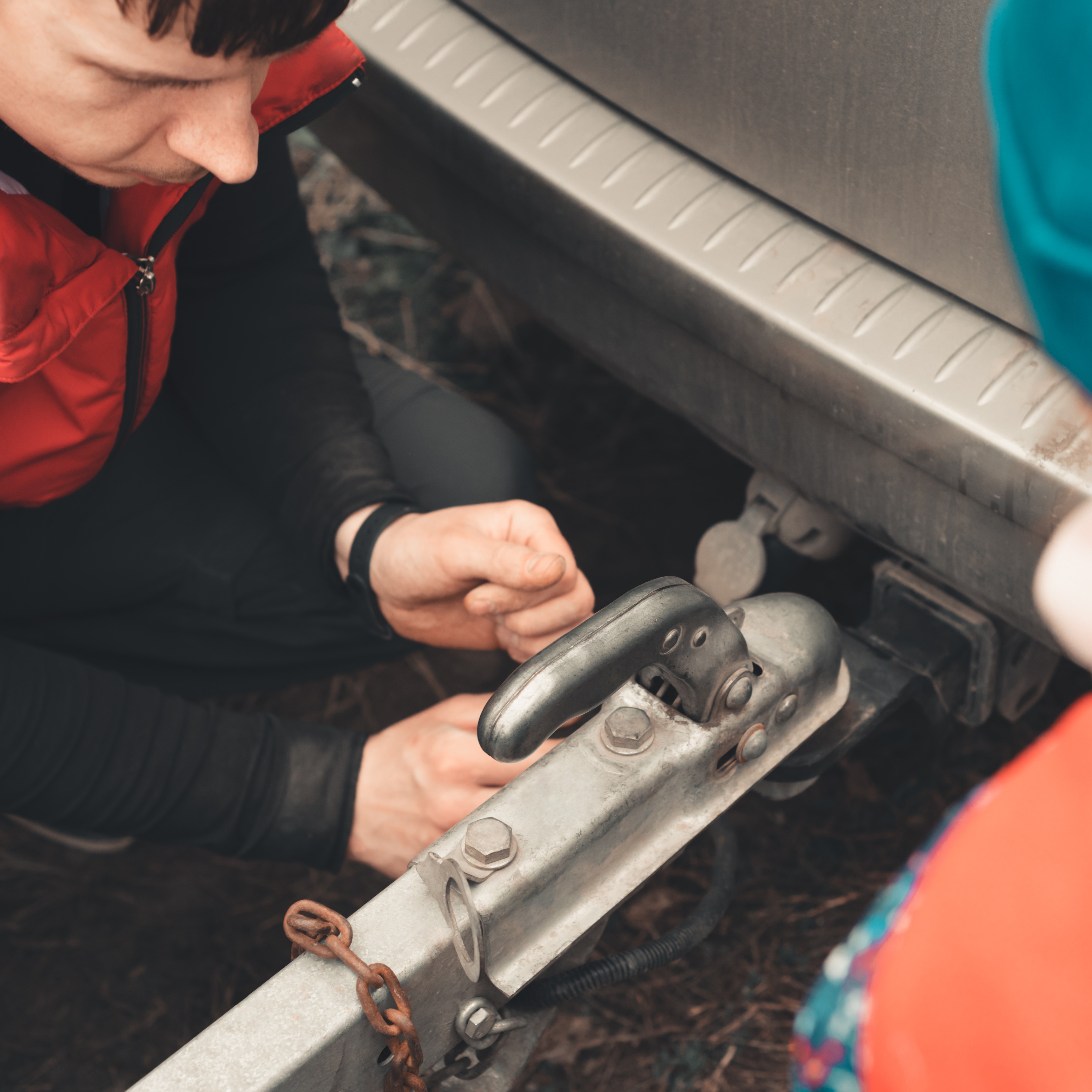
Look out for other discrepancies such as mismatching wheels or damage to the towing hitch. The way modern caravans are now built, it could be an indication that something is amiss.
What insurance is best for my caravan or motorhome?
There are many types of leisure insurance, from standard caravan to more specialised cover depending on whether you have a touring or static caravan. Insurance isn’t a requirement for caravans, but it is for motorhomes.
To use your motorhome, you must be insured, just as you would insure a car or any other vehicle you drive. This protects your motorhome against risks such as theft, collisions, damage and liability, whilst also ensuring you don’t leave yourself out of pocket in the event of an incident. The only time you don’t need a motorhome policy is if you officially declare that the vehicle is off the road and by applying for a SORN (Statutory Off-Road Notification).
And although caravan insurance isn’t legally required, it really is recommended to protect you financially should an unfortunate accident or incident happen. For example, in the unlucky event that your caravan is stolen, then you could make a claim with your insurance company so that you wouldn’t need to pay out of your own pocket to get the caravan replaced and can carry on enjoying your holidays.
As a specialist broker, at Howden we work with a panel of specialist and standard caravan insurers. That means we can do the hard work of finding the right cover to suit you, so that you can kick back, and relax, knowing your adventures are protected.
Find your nearest Howden branch, where our expert insurance advisors will be happy to help!
Sources: Practical Caravan, York Press, Camping and Caravanning Club, BBC, Caravan Club, Home Grail, Out and About
Related Products
Whether you have a static caravan or a touring caravan, let us, a reliable insurance broker, help you get the cover you need for your home away from home.
Let us help you protect your campervan by sourcing you a quote that you can rely on.
Give yourself peace of mind and protect what's yours with specialist park home insurance.
Protect your home-away-from-home with comprehensive mobile home insurance.