

24 July 2026
Harvest Fire Prevention: Protecting Your Farm During the Busy Season
2 minutes
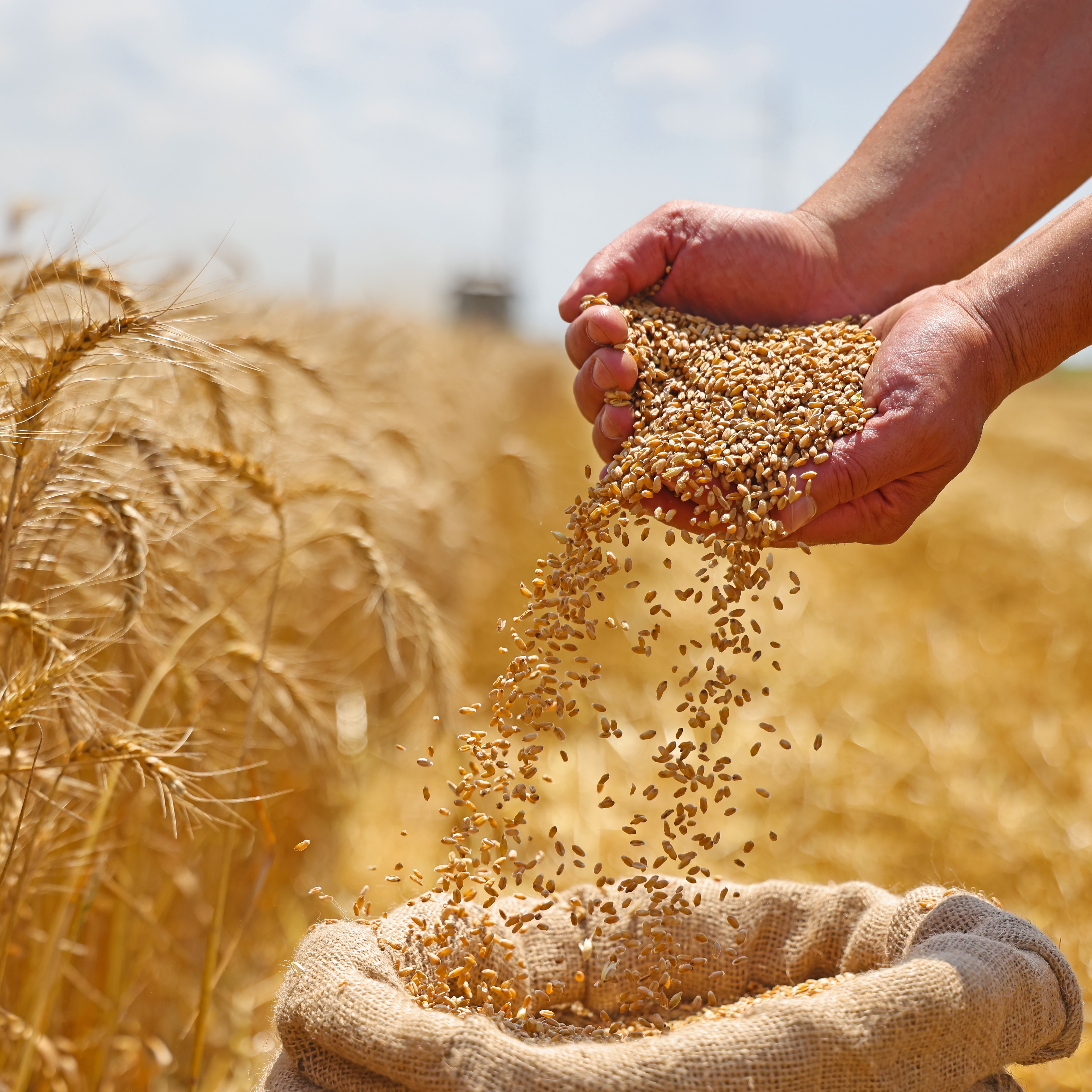
Harvest is one of the most important times of the farming calendar, but it is also one of the most high-risk periods when it comes to fire. Long working hours, heavy machinery use, dry crops, dust, and hot weather can combine to create the perfect conditions for a fire to start and spread rapidly. A single incident can have devastating consequences, destroying crops ready for market, damaging expensive machinery, threatening livestock, and putting lives at risk. With harvest already a demanding and pressured time, taking steps to prevent fires before they occur can help protect your business, employees, and assets.
Why Does Fire Risk Increase During Harvest?
Harvest presents several unique fire hazards. Combines, balers and tractors are operating for extended periods, often in dry conditions and at peak capacity. Dust and crop residue can accumulate on machinery, increasing the risk of ignition if components overheat. Common causes of harvest fires include:
Overheated bearings and moving parts.
Electrical faults and damaged wiring
Exhaust systems reaching high temperatures.
Friction from machinery components
Sparks caused by stones or foreign objects entering equipment.
Dry weather and highly combustible crops and stubble
Even a small spark can quickly ignite dry crops or field margins, leading to a fast-moving fire that can spread across large areas in a matter of minutes.
Practical Steps to Reduce Fire Risk
While it is impossible to eliminate every risk, there are a number of simple precautions that can significantly reduce the likelihood of a fire.
Maintain Machinery Regularly
Regular inspections and servicing are essential during the harvest season. Pay particular attention to:
Bearings, belts, and chains
Electrical systems and batteries
Exhausts and turbochargers
Fuel and hydraulic lines.
Address any faults immediately and ensure maintenance schedules are adhered to throughout the season.
Keep Equipment Clean
Dust, chaff and crop debris can build up quickly around engines and moving parts. Cleaning machinery daily helps reduce fuel sources that could ignite if components become hot.
Carry Firefighting Equipment
Ensure that tractors, combines, and other key machinery are equipped with suitable fire extinguishers and that operators know how to use them. Water bowsers or tanks can also provide a valuable first response if a field fire occurs.
Train Staff and Review Emergency Procedures
Everyone involved in harvest should understand:
How to identify potential fire hazards
Emergency contact procedures
Evacuation arrangements
The location of fire extinguishers and firefighting equipment
Quick action in the early stages of a fire can often prevent a small incident becoming a major loss.
Monitor Weather Conditions
High temperatures, strong winds and prolonged dry periods can significantly increase fire risk. Consider adapting working practices during periods of extreme weather and remain vigilant when operating machinery in particularly dry fields.
The Importance of Fire Risk Assessments
Fire prevention should not stop at harvest alone. A comprehensive fire risk assessment helps identify potential hazards across the farm and ensures appropriate controls are in place. Under the Regulatory Reform (Fire Safety) Order 2005, most agricultural premises where people work must comply with fire safety requirements. This includes a wide range of agricultural buildings, such as livestock facilities, milking parlours, workshops, packing sheds, holiday accommodation, and livery yards.
A fire risk assessment helps farm businesses:
Identify areas of concern.
Implement practical safety measures.
Meet legal obligations.
Protect employees, visitors, and livestock.
Reduce the likelihood of costly losses.
Many farm owners choose to engage a qualified fire risk assessor to ensure nothing is overlooked and that the assessment meets legal requirements.
Fire Safety and Insurance
From an insurance perspective, prevention is always preferable to recovery. While insurance can provide vital protection following a fire, the disruption to a farming business can be significant. Replacing machinery, rebuilding structures, and recovering lost income can take considerable time.
Ensuring your fire risk assessments are up to date, maintaining equipment properly and following good fire safety practices can help reduce the chance of a claim and minimise disruption should an incident occur. It is also important to review your insurance arrangements regularly to ensure buildings, machinery, livestock, and stored crops are adequately covered.
Stay Safe This Harvest
Harvest is a busy and rewarding time, but it is also a period when vigilance is essential. By carrying out regular machinery checks, keeping equipment clean, training staff, and reviewing fire safety measures, farmers can significantly reduce the risk of a devastating fire. A few simple preventative measures today could help safeguard your business, your livelihood, and your community throughout the harvest season and beyond.
If you’d like to discuss any aspect of your insurance, risk management, or harvest preparations, please contact the team on 0330 165 2733 or email rural@howdeninsurance.co.uk
Howden UK Brokers Limited is authorised and regulated by the Financial Conduct Authority No. 307663. Registered Office: One Creechurch Place, London, EC3A 5AF. Registered in England and Wales under company registration number 02831010. Calls may be monitored and recorded for quality assurance purposes.
Related Products
Whether you need to cover a farm, an estate, any motor vehicles, your stock, or equipment, we can help you find your ideal rural insurance policy.
Our specialist equine cover has been designed specifically for riders and owners as well as their horses.
We offer a comprehensive range of farm and estate insurance policies to suits farmers, landowners, and estates of all sizes.
Let us help you find the perfect insurance policy to cover you and your livestock.