

29 July 2026
Driving somewhere new? How to avoid unexpected fines on your UK travels
3 minutes
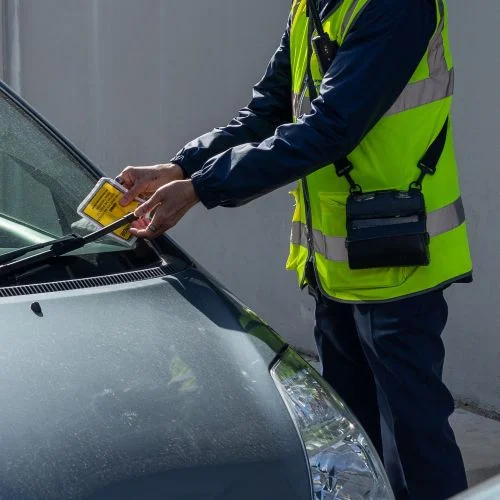
When you go on a UK holiday or a short break you should be focused on switching off, not worrying about parking rules, speed limits or surprise fines.
When you’re driving somewhere unfamiliar, simple oversights can quickly turn into costly penalties. Local road rules vary from place to place and can easily catch out even the most careful drivers out.
With a little preparation and awareness, most of these issues can be avoided. And there’s a lot to avoid these days: from Clean Air Zones and Low Emission Zones to 20mph limits, bus lane and bus gate restrictions, parking rules and road markings, and toll roads and crossings. Here’s what to look out for before you set off.
Clean Air Zones and Low Emission Zones
Clean Air Zones (CAZ) and Low Emission Zones (LEZ) are now part of everyday driving across many UK cities. They’re designed to improve air quality by charging vehicles that don’t meet specific emissions standards.
These schemes operate in cities including Bath, Bradford, Birmingham, Bristol, London, Glasgow, Manchester, Newcastle and Gateshead, Portsmouth and Sheffield.
If you’re visiting any of these areas, it’s best not to assume your vehicle is compliant. Charges can apply daily, even if you’re only passing through.
The simplest way to avoid being caught out is to check if your vehicle is compliant before you travel. You can do this using the Government’s online vehicle checker, or London’s TFL vehicle checker if you’re driving in the capital.
A quick online check now could save you from a fine later.
20mph limits are more common than you think
20mph speed limits are far more common than many drivers realise, particularly in residential and built‑up areas. These zones are usually identified by street lighting and signage, but they can be easy to miss if you’re unfamiliar with the area.
They are especially common in:
Wales
London, where Transport for London suggests 165 miles of roads are now subject to a 20mph limit.
North West
Speed cameras and enforcement are common, so keeping an eye on the signs and slowing down when you enter built‑up areas is one of the easiest ways to protect yourself.
Bus lanes and bus gates
When you’re driving a new road network, it’s easy to accidentally drive into a bus lane or bus gate.
Bus lanes are reserved for buses and authorised vehicles. Look out for solid or dashed white lines with “BUS LANE” painted on the road surface. In some locations, the lane may also be highlighted with coloured surfacing, often red.
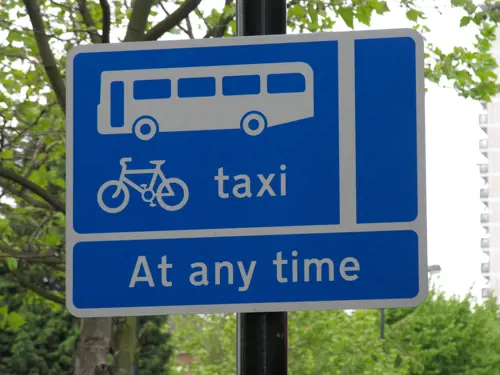
Bus lanes are enforced by CCTV cameras and may operate all day or only at certain times. Signage will always tell you when restrictions apply, so it’s worth checking every time. If you’re unsure, it’s safest to avoid driving in the bus lane altogether.
Bus gates can be more subtle. These are short stretches of road restricted to buses and authorised vehicles only. They’re marked “BUS GATE” on the carriageway and are commonly enforced using ANPR cameras or physical barriers such as rising bollards. Because they’re short and sometimes lightly signed, they can easily catch out drivers unfamiliar with the area.
Parking rules
Across the UK parking restrictions can vary widely, and even neighbouring streets can have very different rules. Some of the most common include:
Controlled Parking Zones (CPZs), which restrict on‑street parking to marked bays, often requiring a permit or payment. Local signs show the zone’s operating hours, but always double-check street‑level signs before leaving your car.
Pay and Display bays and car parks, where you pay to park for a set time. Machines and apps are widely used, but it’s sensible to carry coins in case card machines or mobile signal aren’t available. Be cautious of QR codes stuck to machines or signage as these can sometimes be a scam.
Metered and restricted zones, which may include time‑limited parking, loading‑only bays or vehicle‑specific restrictions.
Before you leave your parked vehicle, it’s always worth giving the nearest sign a final read to avoid returning to a possible yellow PCN stuck on your windscreen.
Parking on single and double road markings
Understanding what a double or single line means is just as important as understanding parking signs, especially if you’re driving in London.
Double yellow lines usually mean no waiting or parking at any time, unless a nearby sign says otherwise.
Single yellow lines mean no waiting, parking, loading or unloading during the times, shown on nearby signs. These are often lifted in the evening or at weekends, but always check.
Blue Badge holders can usually park on single or double yellow lines for up to three hours, provided it’s safe, legal and not causing an obstruction.
In some areas, particularly London, red lines are used instead of yellow lines. These are known as Red Routes and have stricter stopping rules. Double red lines mean no stopping at any time, while single red lines apply during signed hours. Some Red Routes allow parking or loading in marked bays at specific times.
Toll roads: worth the extra cost?
Across the UK, toll roads and crossing usually charge a fee to help fund road maintenance and improvements. Many have peak and off-peak tariffs, meaning you could pay less if you plan your journey.
Toll roads and crossings could save you time by avoiding congestion, but not all accept cash. In many cases, payment is made online before you travel or by midnight the day after your crossing. It’s worth checking the government website before you set off to understand costs and payment method.
If you’d rather avoid paying a toll, most car or mobile navigation apps can be set to plan toll‑free routes.
There are also two additional road charging schemes you may encounter during peak hours: the London Congestion Charge and the Durham Road User Charge Zone.
Car insurance that keeps you moving
As an insurance broker, we know that no two drivers – or policies – are the same. That’s why we take the time to understand you and what you need from your cover, helping you stay protected with confidence on every journey.
Whether you’re looking to take out a new car insurance policy, renew an existing one or make a claim, our teams are here to help.
Find your nearest Howden branch to speak to your local team of insurance experts.
Related Products
Helping to save you money, without compromising on cover. As a car insurance broker, we listen to your needs and help you find a policy that’s right for you — at our best possible price.
We strive to help you save time and money when searching for van insurance.
Don’t be left stranded. Get your hands on breakdown cover that responds when you need it most.
Make modifying your van simple and straightforward, with reliable modified van insurance cover.