

24 June 2026
Hi-and-lo tech options for a cooler heatwave
4 minutes
This June’s heatwave didn’t just send us scrambling for fans and ice lollies, it made something very clear. Hot weather in the UK is no longer a novelty. It’s becoming a pattern. To mark the 50th anniversary of the 1976 heatwave, the Met Office modelled a possible scenario for 2056. Based on current warming trends, it suggests temperatures could reach:
45°C in England
41°C in Wales
38°C in Scotland
30°C in Northern Ireland
For decades, we’ve treated Britain as a ‘mild’ country. Our homes are designed to generate and trap heat, not cool us down. So while central heating is great in January, it’s not quite so useful when it’s 35 degrees outside. And, while this year’s heatwave is down to a an El Nino cycle, the trends suggest this changeable weather isn’t going anywhere. So the big question is: how do you make your home comfortable year-round? And increasingly, is it really time to consider air conditioning?
How to keep your home cool
Keeping windows shut and curtains closed
One of the simplest ways to stay cool is to keep the heat out in the first place. During the day, keeping windows shut and curtains/blinds closed can make a big difference. Direct sunlight streaming into your home quickly builds up heat, especially in UK houses designed to maximise natural light. Instead, open windows early in the morning when it’s cooler outside. Let fresh air circulate, then seal things up before the temperature rises again.
Sleeping downstairs
When it comes to heat, where you sleep matters just as much as how you cool your space. Hot air rises, so upstairs bedrooms can become stifling during warm weather. And with ’tropical nights’ becoming more common, where the temperature doesn’t drop below 20°C, getting a good night’s sleep is getting harder for many. A quick fix? Move downstairs. Whether it’s a sofa, a spare room, or even a temporary setup, sleeping on a lower level can feel noticeably cooler. It’s not glamorous. But when sleep is on the line, it can be a game changer.
Fans
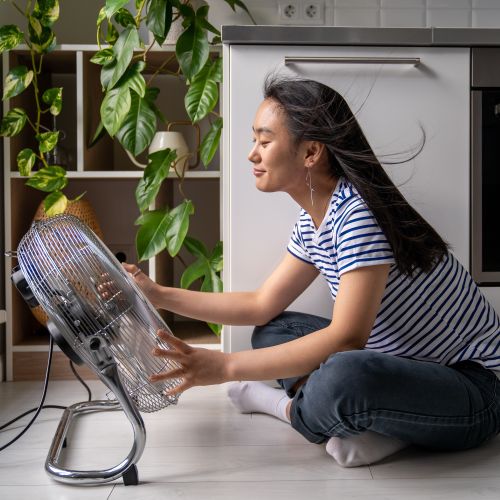
Fans are still the go-to cooling option for most UK households, and for good reason. They’re affordable, easy to set up, and can make a big difference in stuffy rooms. The best ones don’t just blast air around, they create a steady, quiet breeze that actually feels comfortable. Especially important if you’re trying to cool down at night.
If you’re shopping around, look out for:
Multiple speed settings so you can balance airflow with noise (essential if you’re trying to watch television in the evening).
Programmable timers to switch the fan off after you’ve fallen asleep
Sleep modes that gradually reduce speed, dim lights and mute sounds
There are so many types of fans available now, from high-tech ionising tower fans to simple rotary pedestal fans – but be quick as they seem to sell out as quickly as a heatwave is upon us. One thing to keep in mind: Electrical Safety First advises against leaving fans running all night due to the small risk of overheating. That’s where timers and sleep modes come in handy.
Air conditioning
For some households, fans and blackout blinds won’t cut it anymore. That’s where air conditioning enters the conversation. There are a few options to consider:
Portable units (£250–£650): Ideal for smaller spaces or renters, and not as light as they sound. While heavy, they are very easy to install by simply plugging in and hanging the exhaust hose out of a window. While you can buy kits that allow you to dangle the hose through a small, fitted curtain, oftentimes simply closing your blinds and curtains around it does the trick. These units are great for storing in a cupboard the winter, and wheeling back out during a heatwave.
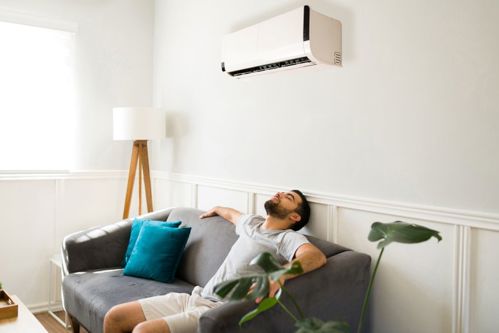
Split systems (£650–£1,000): A more permanent solution for individual rooms, with an outdoor compressor attached externally, removing hot air. These can be more expensive and often require an electrician or HVAC specialist to fit them. The upside, however, is that many also come with a heater function, so could be ideal in the winter as well. If you have a home office, and only want to heat or cool one room during the day, for example, this could be your winner.
Central or ducted systems (£990–£1,450): Designed for larger homes or new builds, offering whole-house cooling.
Installation costs can vary hugely, depending on complexity, number of rooms, and square footage of space you’re trying to cool. Running costs vary too. Modern systems are generally more energy efficient than portable units, but they’ll still add to your electricity bill, especially without solar panels. One option for whole-of-home is a heat pump. While the focus on a heat pump has always been the generation of heat, air source heat pumps can cool your home by reversing the refrigeration cycle, expelling warm air outside. A refrigerant and fan then circulates cool air through your home. So, if you’re considering an air pump, one question to ask could be ‘will it also cool my home in the summer?’. If you are considering it, timing matters. Buying out of season can often mean better deals and focusing on key rooms rather than the whole house can keep costs manageable.
Lo-tech, low cost chill
Of course, not all of us have the space or means to buy an air conditioning unit, particularly while the heatwave is on when stocks are low, and prices soar. Here are some tried and tested ‘chills’ recommended by our team:
Fill a hot water bottle halfway and pop it in a freezer. Pop it into your bed, or simply keep it on your lap during the day to keep cool.
Use a blender to create your own ‘slush’ drink – whether coffee, smoothie, lemon water, squash, or even cider, you’ll find one that brings your temperature down.
Working from home? Pop a bowl of cold water (with ice if you’re feeling brave) to soak your feet in while you work.
Don’t be afraid to have a 30 second cold shower as the days goes on. It quickly cools you down so you can push on through the hottest times of the day.
Dunk you hat in water, then wear it outside. You could even freeze it before you head out. Whether wet or frozen, it keeps your head cool and dries off pretty quickly. This can be really handy if you’re cooking outside!
Ice packs are cheap and easy to use on key points like wrists, underarms, neck – places where your blood vessels are close to the surface.
Insurance in a warmer world

We may see more homeowners investing in air conditioning. We may see changes to how homes are designed and built. And we may simply get better at managing heat with smarter habits and technology. There are also practical considerations. Adding higher-value tech like air conditioning or premium cooling systems could mean updating your home insurance to ensure everything’s properly covered.
And heat doesn’t come alone. Extreme temperatures can increase the risk of subsidence, while sudden thunderstorms can bring flooding, lightning and even fire risks. Staying cool isn’t just about comfort anymore. It’s about staying prepared. Thinking about upgrading your home comfort this summer? Whether it’s a new gadget or a full air con set-up, make sure it’s properly covered by your insurance. Our friendly local branch teams will be more than happy to help. And if it’s too hot to think, we’ll have cold water - and air conditioning - waiting for you, plus for your four-legged friends at our hydration stations.
Sources: Which?, Uswitch, Met Office,
Related Products
Trust Howden, a home insurance broker, to help you find a tailor-made home policy that meets your budgetary and insurance expectations.
Reimburse your excess and avoid being left out of pocket with home excess protection.
Expect nothing less than a specialist health insurance delivered by industry experts.
Speak to a specialist about how a comprehensive life insurance policy can protect your loved ones and give you peace of mind.