

23 September 2026
What is a single article limit and why does it matter?
3 minutes
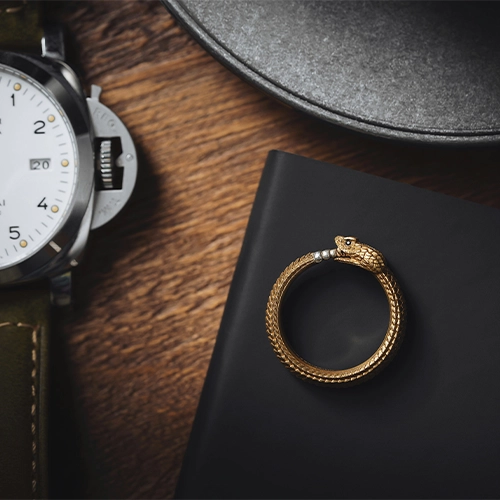
If you’ve recently purchased a new item, whether that’s a diamond necklace, a luxury watch or an expensive piece of art, one of the most important things to do is to let your insurance company know.
In our experience, misunderstandings around single article limits can sometimes result in items being uninsured or insured for less than expected.
What is a single article limit?
Most high-value home insurance policies are divided into different sections, such as:
Buildings
Contents
Jewellery and Watches (sometimes called valuables)
Art and Antiques
Within these sections, insurers will sometimes apply a single article limit and an unspecified items limit.
The single article limit is the maximum value an individual item can have before it must be listed separately on your policy schedule. While some policies have limits of £1,000 or £2,500, others can be as high as £100,000. Some of the specialist insurers we work with offer higher single article limits, which can provide greater flexibility when insuring valuable possessions such as jewellery, watches and fine art.
When does an item need to be specified?
Any item worth more than the single article limit must be specified on the policy. This means it is individually listed on your schedule, usually alongside a declared or specified value.
A specified item could be:
A single piece of jewellery
A watch
A painting or sculpture
A pair or set of items, such as a set of dining chairs
If an item that exceeds the single article limit is not specified, cover may be restricted to the limit itself or, depending on the insurer, there may be no cover for that item at all.
A common misconception
One area that often causes confusion is the assumption that items below the single article limit do not need to be declared. Clients sometimes presume that when they purchase a new item, they do not need to add it to the policy if it falls below this threshold.
This is a common misunderstanding. While an item below the single article limit may not need to be individually specified, it still needs to be taken into account when calculating the total value of unspecified items insured under that section of the policy.
For example, imagine you purchase a necklace worth £25,000 and your policy has a jewellery and watches single article limit of £50,000.
The necklace would not need to be individually specified because it falls below the single article limit. However, it would still need to be included within the total value insured under the jewellery and watches section.
In this situation, the unspecified jewellery and watches sum insured may need to be increased by £25,000 to ensure the item is covered correctly.
Why keeping values up to date matters
The value of jewellery, watches, precious metals and art can change significantly over time. Recent fluctuations in luxury watch values, precious metals and parts of the jewellery market highlight why regular valuations remain important.
You can read more in our articles on the luxury watch market, diamond jewellery market and precious metal price movements.
For this reason, insurers will often require a professional valuation for specified items.
An outdated or non-compliant valuation could mean your possessions are not insured for their current value, potentially resulting in underinsurance and a reduced settlement if you need to claim.
Keeping valuations up to date helps ensure that your cover remains appropriate and can make the claims process smoother.
You can read more in our related article: Valuations: What Insurers Expect.
Are there benefits to specifying items
Depending on the insurer, there can be advantages to specifying high-value items even where an item falls below the single article limit.
These can include:
A guaranteed settlement up to the specified value
The ability to pay more than the specified amount where a recent valuation supports a higher replacement cost
Automatic uplifts of 25% or even 50% for a period following a valuation to protect policyholders from rising market values
Lower premiums on specified items
Discounts following a comprehensive professional valuation.
The benefits available will vary between insurers and policies.
When should you review your cover?
It's sensible to contact your broker or insurer if you:
Purchase a valuable item.
Receive jewellery, watches or artwork as a gift.
Inherit items of value.
Have had a professional valuation.
Believe the value of an existing item may have changed significantly.
A simple review following a purchase or valuation can help ensure your policy reflects the true value of your possessions and reduce the risk of underinsurance.
Other factors to consider
Single article limits are only one part of ensuring valuable possessions are insured correctly. Depending on the value and type of item, insurers may also apply security requirements, such as approved safes for jewellery and watches. Other options, such as floating limits, may also be available in some circumstances to help manage premiums while maintaining appropriate levels of cover.
Need advice?
If you're unsure about your policy's single article limits or whether an item should be specified, speak to the Howden Private Client team.
We'll help you understand how your cover works, whether your sums insured remain appropriate and whether your current policy remains the best fit for your circumstances. We can also help you understand insurer security requirements for high-value items and discuss options, such as floating limits, where appropriate.
Whether you've purchased a new item, inherited a collection or recently obtained a valuation, a quick review of your policy could help ensure your possessions remain insured as expected.
Call 020 8256 4901 or email privateclients@howdeninsurance.co.uk.

Steve Moores
Steve has built up a wealth of expertise and insight in private client insurance, having worked in insurance for more than 20 years. As the lead for our Risk Management proposition, he helps clients reduce the likelihood of a claim and ensures that, if a claim does occur, their policy responds exactly as expected.
Related Products
Given that jewellery can be very expensive, we know how important it is that it’s protected properly with the right insurance.
Valuations: what insurers expect
Protecting your jewellery and watches: Why it pays to work with a specialist broker
Insurance jargon and the small print: why it pays to pay attention