

31 July 2026
Valuations: what insurers expect
2 minutes
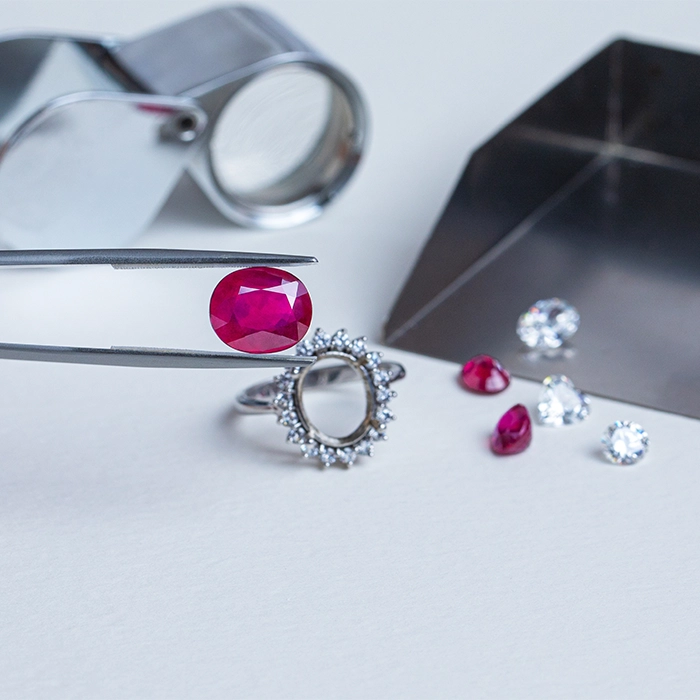
We frequently see valuations from clients that are incomplete, inaccurate, or not insurer‑compliant - whether that’s missing company details, issued by an unqualified valuer, or written in the wrong currency when a piece was purchased abroad. While these issues aren’t new, they now carry far greater consequences due to rising levels of underinsurance - driven in part by the increase in gold and silver prices and the volatility of the watch market. This means that having a non-compliant valuation can leave you without the protection you expect if you need to make a claim.
As we explain in our article, ensuring your jewellery insurance shines when you need it most, an up-to-date valuation helps ensure that you are not underinsured and helps make any related claim run more smoothly.
Jewellery valuations are not simply a paperwork exercise; they play a crucial role in ensuring your insurance reflects the true value of your collection. Without an up-to-date valuation, there is a risk that items could be underinsured if their value has increased over time.
Tim Belson, CEO of Prestige Valuations, explains: "From a claims perspective, underinsurance is one of the biggest risks we see. A professional valuation needs to be clear, compliant, and prepared with insurers in mind."
As values for certain jewellery, watches and precious metals continue to fluctuate, regular valuations can help ensure your cover remains aligned with current replacement costs.
Understanding the valuation process
Not all jewellers carry out valuations in-house. In many cases, items are sent to an independent specialist valuer for assessment.
Understanding who will be conducting the valuation and where your items will be assessed can help set expectations around turnaround times and communication throughout the process.
Choosing a qualified valuer
When selecting a valuer, it is worth checking their qualifications and professional memberships. Recognised credentials may include membership of trade bodies such as GEM-A (Gemmological Association of Great Britain) which demonstrates specialist knowledge in gemstone identification and grading.
Jewellery valuations: what should be included
For insurers, a jewellery valuation should provide enough detail for an item to be accurately identified and, if necessary, reproduced or replaced. A professional valuation will typically include:
Clear photographs of the item
The gram weight, type of precious metal and style of setting
Hallmark details, where applicable
The size, quality and full description of any gemstones
For higher-value diamonds, certification from recognised laboratories such as GIA, HRD or IGI is strongly recommended and may be required by some insurers.
Watch valuations: key information insurers will look for
When valuing a watch, insurers will generally expect:
A clear photograph showing the dial, brand and overall condition
The reference number
Supporting documentation where available, such as the guarantee card, purchase invoice or service records
Providing supporting documentation can help validate ownership and specification details, as well as assist insurers in the event of a claim.
Desktop and online valuations
Many insurers will accept desktop or online valuations, provided they are supported by sufficient evidence and clearly marked as unseen. This will typically include:
A full and accurate description of the item
Good-quality photographs
Gemstone certificates from recognised laboratories, where applicable
Purchase invoices or, for watches, guarantee documentation
As Tim Belson, CEO of Prestige Valuations, explains: "Making valuations easier to access – whether online or in person – helps clients keep documentation up to date and reduces problems at claim stage."
In many cases, clasps and settings can be assessed remotely using high-quality photography and video. However, this approach may not be suitable for more intricate pieces, such as pavé settings or jewellery containing very small stones, where a detailed physical inspection may be required.
Some insurers also require a clasp-and-settings check as a condition of cover, so it is always worth checking with your broker or insurer before proceeding with a desktop valuation.
How to make sure your valuation meets insurer expectations
If you’re unsure whether your current valuations meet insurer expectations - or if it’s simply been a while since they were last updated - now is the ideal time to review them. We work with a panel of recommended valuation companies who can assist by not only valuing your pieces now, but by also providing up to date valuations going forward. Get in touch and we’ll guide you through what’s required, help you understand any policy conditions, and ensure your most treasured pieces remain properly protected.

Steve Moores
Steve has built up a wealth of expertise and insight in private client insurance, having worked in insurance for more than 20 years. As the lead for our Risk Management proposition, he helps clients reduce the likelihood of a claim and ensures that, if a claim does occur, their policy responds exactly as expected.
Steve Moores
Steve has built up a wealth of expertise and insight in private client insurance, having worked in insurance for more than 20 years. As the lead for our Risk Management proposition, he helps clients reduce the likelihood of a claim and ensures that, if a claim does occur, their policy responds exactly as expected.
Related Products
Given that jewellery can be very expensive, we know how important it is that it’s protected properly with the right insurance.
Ensuring your jewellery insurance shines when you need it most
Tailored insurance for high-value homes and contents—expert support to avoid underinsurance and secure full protection.