

16 September 2026
What recent art thefts can teach collectors about protecting their collections
5 minutes
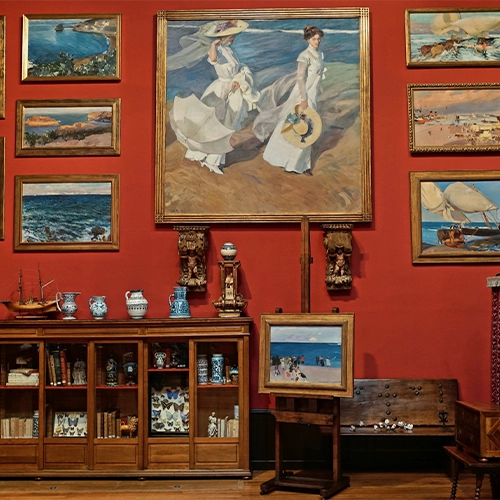
The recent theft of four paintings from a museum in France, including works by Pierre-Auguste Renoir, has once again brought art theft into the spotlight. While two of the paintings were later abandoned as the thieves fled, the incident serves as a reminder that valuable artworks remain attractive targets for criminals1.
It's not just paintings that are catching the attention of thieves. A recent Europol report highlights a growing trend towards criminals targeting precious metals, gemstones and culturally significant artefacts, including Chinese porcelain. The agency suggests these items are often selected because of their value, demand and relative ease of resale2.
Although museum thefts attract headlines, the lessons extend beyond galleries and public institutions. Many private collectors own artworks, antiques, jewellery and collectibles that have accumulated significant value over time, sometimes without realising just how valuable those possessions have become.
In fact, one of the biggest risks facing collectors is not simply theft itself, but failing to recognise the true value of what they already own. Pieces acquired many years ago, inherited family heirlooms and everyday objects that have become part of the furniture can all appreciate considerably in value, creating a gap between what owners believe they have and what it would cost to replace it.
The recent Renoir theft provides a useful reminder for collectors to review three key areas: security, insurance arrangements and valuations. Together, they form the foundations of protecting a collection should the unexpected happen.
Security: taking a layered approach
No security measure can entirely eliminate risk, but a layered approach can help deter criminals and reduce the likelihood of a successful theft.
Physical security remains an important starting point. High-quality locks, secure doors and windows, and appropriate safes can all help deter opportunistic criminals. For particularly valuable items such as jewellery or watches, selecting the appropriate grade of safe is an important consideration. Our guide to safe grades and choosing the right protection looks at this in more detail. Alternatively, a bank vault or specialist storage facility may be more appropriate for particularly valuable items.
Technology is also playing an increasingly important role. Monitored alarm systems, CCTV, smart sensors and remote monitoring solutions can provide an additional layer of protection and offer reassurance when a property is unoccupied. You can read more about the role of connected technologies in our article on smart home technology and insurance.
For collectors with particularly valuable assets, specialist security assessments can help identify vulnerabilities and recommend appropriate measures. As we discussed in our article on intelligent security for high-value homes, security is most effective when multiple layers work together rather than relying on a single solution.
Hidden value in plain sight
One of the biggest challenges facing collectors is that valuable items are not always obvious.
During a recent interview, Mark Smith ASFAV, Director at Quastel Associates, explained that many clients underestimate the value of possessions they see every day.
Sometimes an object's value is simply overlooked. In one case, a client had covered what she believed was an old cabinet with a sheet and placed a television on top of it. During the valuation process it was identified as a walnut chest of drawers worth approximately £15,000.
On another occasion, a client owned a piece of studio pottery by the renowned artist Lucie Rie. Believing it to be worth only a few hundred pounds, they were surprised when it was valued at £15,000. Today, the same piece would be worth considerably more.
Mark also recalls discovering a painting by Gerhard Richter hanging above a client's toilet. The artwork was valued at more than £100,000.
These stories may be unusual, but they highlight an important point. Valuable possessions are often hidden in plain sight. Whether it's inherited furniture, ceramics, books, artwork or collectibles, owners can easily underestimate both individual items and the cumulative value of a collection.
To read more click here: What is a professional home contents valuation and why does it matter?
Is your collection insured properly?
Security is only one part of the picture. In the event of theft, fire or accidental damage, it is equally important that possessions are insured appropriately.
Many collectors assume that all valuables automatically fall within their home's contents insurance. In reality, policy structures can vary considerably.
High-value artworks, antiques and collectibles are often better insured under a dedicated Art and Antiques section of a policy, rather than simply being included within a general contents figure. Depending on the insurer, valuable items may need to be individually specified, and single article limits may apply.
Many collectors focus on the value of individual items, but the way a policy is structured can be equally important. Understanding how valuables, works of art and antiques are defined within a policy, along with any inner limits or notification requirements, can help avoid unexpected gaps in cover. To learn more, read our guide to understanding inner limits and how they can affect valuable possessions.
It's also important to review cover following new acquisitions. Whether you've purchased a painting, inherited a collection or added a significant item to an existing collection, your insurance arrangements should be reviewed to ensure they continue to reflect your circumstances.
Specialist cover may also provide additional benefits that standard policies do not, such as restoration cover, protection against depreciation following damage, cover for newly acquired pieces, and valuation uplifts designed to account for market movements.
Why valuations matter
Even the most comprehensive insurance policy relies on one fundamental element: knowing what you own and understanding its value.
Market values can change significantly over time, particularly for art, antiques and collectibles. A receipt from a gallery or auction house may no longer reflect the cost of replacing an item today, while inherited pieces can prove far more valuable than owners realise.
Professional valuers regularly encounter collections that are either underinsured or incorrectly insured. In fact, Mark Smith of Quastel Associates estimates that around 80 to 90 per cent of clients he sees have inaccurate insurance arrangements when their possessions are reviewed.
Professional valuations help create an accurate picture of what needs to be insured, provide valuable documentation should a claim ever become necessary, and can identify items whose value may have increased substantially since they were acquired.
Importantly, valuations do not focus solely on headline pieces. Walk-through valuations often reveal significant value in seemingly ordinary possessions, from furniture and clothing to kitchen equipment, rugs, curtains and items stored in lofts, garages and outbuildings. It is often the cumulative value of these everyday possessions that creates the gap between what people think they own and what it would cost to replace everything following a major loss.
Related content: What insurers expect from valuations
Protecting what matters most
High-profile thefts involving famous artworks often generate significant media attention, but they also provide a useful reminder for private collectors.
Whether you own a single painting, inherited antiques, a collection of jewellery, rare books or decorative objects, taking the time to review security arrangements, understand how your possessions are insured and ensure valuations remain up to date can provide valuable peace of mind.
If you're unsure whether your collection is insured appropriately or whether valuations remain up to date, the Howden Private Client team can review your arrangements and, where appropriate, introduce valuation and security specialists.
While the recent Renoir theft may have taken place in a museum, it serves as a reminder for all collectors that understanding what you own, what it is worth and how it is protected is just as important as the collection itself.
By taking a proactive approach today, collectors can help ensure their treasured possessions remain properly protected for the future.
To speak to Howden about your collection call 020 8256 4901 or email privateclients@howdeninsurance.co.uk.
Source
2. Europol Spotlight / Changing tactics, changing targets: the evolving nature of museum heists

Steve Moores
Steve has built up a wealth of expertise and insight in private client insurance, having worked in insurance for more than 20 years. As the lead for our Risk Management proposition, he helps clients reduce the likelihood of a claim and ensures that, if a claim does occur, their policy responds exactly as expected.
Related Products
Whether you own a single piece of art or an entire collection, find out how we can source you a fine art insurance policy that suits you.
Intelligent Security: strengthening protection for high value homes
Donald Towner: Nostalgic works a tribute to Britain and British identity
Transporting loaned art: Our guide to smoothing bumps in the road