

28 October 2026
Flat roofs: understanding the risks, maintenance and insurance considerations
5 minutes
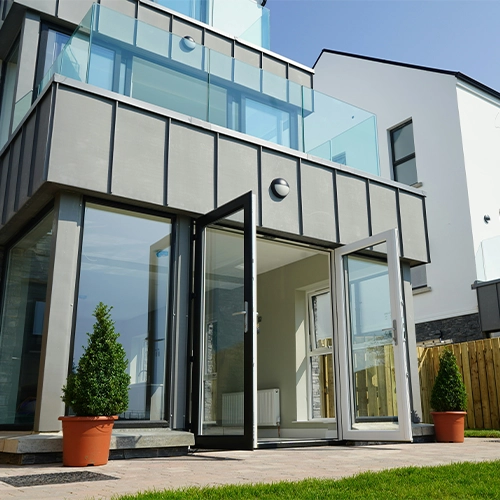
In my role, I've seen how something as simple as blocked drainage or an overlooked maintenance issue can lead to costly damage if left unchecked. I frequently speak to homeowners who have invested significantly in extending or enhancing their properties, whether through contemporary extensions, garden rooms, pool houses, home offices or other outbuildings. What many don't realise is that the flat roofs that these structures often incorporate bring with them different maintenance and insurance considerations.
Flat roofs are not inherently problematic, but they do require a good understanding of their construction, condition and ongoing upkeep. A relatively minor issue, such as blocked drainage or an undetected leak, can quickly lead to costly damage, particularly where high-value interiors, technology or contents are involved.
Here, I explain the most common flat roof construction methods, highlight some of the key risks to be aware of, and share practical steps that can help protect both your property and your insurance position.
What is a flat roof?
Flat roofs are commonly found on garages, extensions, garden rooms, pool houses, ancillary buildings and contemporary homes. They're practical, stylish, and can create additional space for roof terraces or solar panels.
But despite the name, flat roofs aren't always actually flat. They usually have a slight slope, typically less than 10 to 15 degrees, that helps rainwater drain away. Because they're built differently from traditional tiled or slate roofs, they come with their own maintenance requirements and insurance considerations.
Understanding how your flat roof is constructed can help you protect your property, avoid costly repairs, and make sure you have the right insurance cover in place.
What types of flat roof construction are there?
1. EPDM: EPDM (Ethylene Propylene Diene Monomer) is a durable rubber roofing membrane known for its impressive lifespan. It is not uncommon for an EPDM roof to last up to 50 years, making it a popular long-term roofing solution.
Benefits:
Long lifespan
Low maintenance
Excellent weather resistance
Things to consider:
Higher upfront cost
Can be punctured by sharp objects or falling branches
Limited colour options
2. Fibreglass (GRP): Fibreglass roofing, also known as GRP (Glass Reinforced Plastic), is made from resin reinforced with glass fibres. It combines strength, durability, and a modern appearance. Its seamless finish creates an effective waterproof barrier, helping to reduce the risk of leaks.
Benefits:
Lifespan of 25 to 30 years
Seamless and waterproof
Sleek, modern look
Often easy to repair
Things to consider:
Higher installation costs
Can react to extreme temperature changes
May occasionally creak as it expands and contracts
3. Felt: Felt remains one of the most widely used flat roofing materials because it's affordable and versatile. Installed using heat, it can be adapted to a wide range of roofing structures.
Benefits:
Cost-effective
Suitable for a variety of roof designs
Straightforward installation
Things to consider:
Typically lasts 10 to 15 years
More susceptible to wear and tear
Requires regular maintenance
4. Lead: Lead has been used in roofing for centuries and remains one of the most durable materials available.
Benefits:
Can last 70 to 100 years
Performs exceptionally well in harsh weather
Highly resistant to water penetration
Things to consider:
Higher installation costs
Environmental concerns
Potential theft risk due to the increasing value of lead and other roofing metals, particularly in rural or secluded locations.
Why flat roofs matter to insurers
Many insurers consider slate and tiled roofs to be standard construction. Flat roofs are often assessed differently because they can present additional risks.
For example:
Rainwater can collect on the roof surface if drainage isn't effective, increasing the potential for damage to high-value interiors, bespoke joinery, artwork and technology systems
Flat roofs generally have a shorter lifespan than pitched roofs
They can sometimes provide easier access for intruders
This doesn't mean flat roofs are a problem. It simply means insurers may want additional information about the roof's condition and maintenance history.
It’s important that your insurer is aware of any significant flat roof areas when arranging cover. If a property is incorrectly described as being of standard construction, insurers may not have an accurate picture of the risk. In some circumstances, this could lead to claims being reduced, delayed or disputed.
Flat roofs are particularly common within high-value properties, whether on modern architectural homes, large extensions, pool houses, garden offices, garages or other outbuildings. While these structures can represent a relatively small proportion of the property's footprint, damage arising from a failed roof can still be significant, particularly where valuable contents, specialist finishes or home technology systems are affected.
What should you do if you have a flat roof?
1. Regular inspections: In many cases, identifying a maintenance issue early can prevent inconvenience and disruption, as well as reducing the likelihood of an insurance claim. Routine inspections are essential for identifying signs of wear, damage, or deterioration before they develop into more serious issues. A small crack detected early can often be repaired quickly and inexpensively, preventing significant water damage in the future. This can be particularly important where the building houses valuable contents, home automation systems, vehicles or specialist equipment.
As a property owner, it is important to understand the specific maintenance requirements and potential weaknesses of your chosen roofing system. Some insurers may request evidence of regular roof inspection, particularly where significant flat roof areas are present or where the property is of non-standard construction. During these inspections, a qualified roofer will assess the roof for any signs of damage and recommend repairs where necessary.
Where flat roofs incorporate solar panels, roof terraces or other installations, regular inspections become even more important to ensure drainage remains effective and any fixings remain secure.
Top tip: Keep records of inspections, maintenance work and any roof replacement projects. This information can be valuable when arranging insurance, demonstrating ongoing maintenance and supporting a future claim.
2. Keep gutters clear: As autumn and winter approach, gutters can quickly become blocked with fallen leaves and other debris. Flat roofs rely heavily on effective drainage, so regular gutter cleaning is essential to ensure water can drain away properly and to help prevent leaks and water damage.
3. Ensure adequate drainage: Because flat roofs are more susceptible to standing water, an effective drainage system is crucial. During periods of heavy rainfall or storms, drainage outlets should be able to remove water efficiently and prevent pooling.
If you notice standing water after rainfall, don't ignore it. Persistent pooling water can increase wear on the roof and raise the likelihood of water ingress. The sooner drainage issues are identified, the easier and cheaper they are to fix.
4. Inform your insurance broker of significant changes: If you are undertaking an extension, constructing a garden building, replacing a flat roof or making other significant changes to your property, it is important to inform your insurance broker. Changes to a property's construction, footprint or use can affect how insurers assess the risk. Keeping your broker informed helps ensure your insurance arrangements remain suitable and can help avoid complications should you need to make a claim.
Additional considerations for high value homes
For owners of high-value properties, a flat roof can often cover more than a simple extension or garage. Home offices, leisure complexes, pool houses, entertainment spaces and ancillary accommodation are increasingly common features and can be costly to repair if water ingress occurs.
In many cases, the contents housed within these buildings can be just as valuable as the structure itself. Home gyms, specialist equipment, vehicles, collections and garden machinery may all be vulnerable to damage if a roofing issue goes unnoticed.
Understanding the construction and maintenance requirements of flat roofs forms an important part of protecting both your property and the assets within it. While repairing the roof may be relatively straightforward, the effects of water ingress can be far more significant. Damage to bespoke interiors, valuable contents or specialist technology can quickly exceed the cost of the roof repair itself.
How can we help?
With access to a wide panel of insurers, we can help you navigate the additional considerations associated with flat roofs and arrange insurance cover that reflects your property's specific needs.
Whether your flat roof forms part of a contemporary home, a substantial extension, a pool house or an outbuilding, understanding the construction and maintenance requirements can help reduce the risk of costly damage. Our specialists can work with you to ensure your insurance arrangements accurately reflect the construction, features and value of your property, helping to avoid surprises should you ever need to make a claim.
Call 020 8256 4901 or email privateclients@howdeninsurance.co.uk
Related Products
Key to our success is our exemplary service, made possible by a team of people who have the character and skill to manage, meet, and exceed the expectations of our clients.
El Niño and your home: practical steps to reduce weather-related risks
Do you really know what’s covered in your flat?
Is the ABI rebuild cost calculator right for your home?