

30 September 2026
El Niño 2026–27: Is your home ready for a wetter, stormier season?
3 minutes
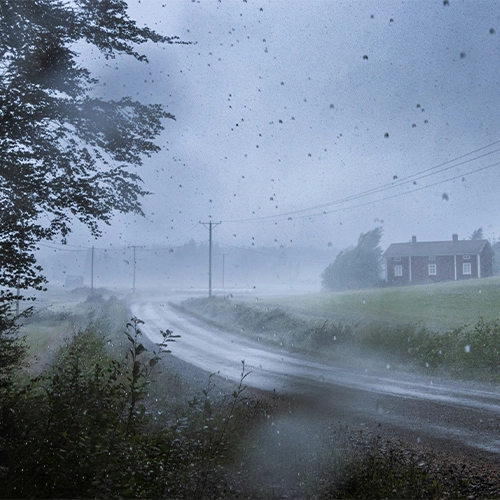
According to the Met Office, the 2026-27 El Niño is expected to be the strongest in living memory. With Pacific sea-surface temperatures forecast to rise more than 3°C above normal, there is the potential for knock-on effects on UK weather. The Met Office has also flagged an increased likelihood of rainfall and storms from November, providing an unprecedented three months’ notice, rather than the usual few hours or days.
For UK homeowners, this does not guarantee a damaging storm or flood. However, the Met Office expects El Niño to increase the chances of wetter, stormier conditions across north-west Europe, including the UK, during autumn and early winter. Later in the winter, the balance may shift towards colder and calmer conditions.
But what is El Niño?
El Niño is a naturally occurring warming of the central and eastern Pacific Ocean. That warming changes the interaction between the ocean and atmosphere and in turn influences rainfall, temperatures and storm tracks around the world. Although the UK is thousands of miles from the Pacific, these changes still affect the circulation patterns that shape our weather.
How might UK homes be affected by El Niño?
The main concern for UK homeowners is a combination of heavier rainfall, localised downpours and stronger winds. Together, these conditions can increase the risk of surface-water flooding, storm damage and water ingress to homes.
Unlike river or coastal flooding, surface-water flooding occurs when intense or prolonged rainfall overwhelms local drainage systems. It can happen many miles from a river and in areas that homeowners may not traditionally consider at risk of flooding.
This risk may be heighted by the exceptionally dry summer experienced across much of the UK. Following its driest July in 190 years, more than 70% of England and Wales is in drought. Dry, hardened ground can struggle to absorb sudden heavy rainfall, causing water to run off more quickly and increasing the likelihood of rapidly rising surface water and localised flooding.
During surface-water flooding, water can collect around basement entrances, garages and lower-ground-floor rooms; enter through air bricks, doors or service penetrations; or back up through drains. Prolonged rainfall can also overcome pumps, drainage, retaining walls and below-ground plant rooms.
To make matters worse, strong winds and driving rain may exploit any loose tiles, defective flashing, ageing flat roofs, poorly sealed windows and blocked gutters. And then falling branches and unsecured garden furniture may damage roofs, windows, cars, homes and outbuildings. While insurance is designed to respond to sudden, unforeseen events, it will not usually cover deterioration, wear and tear or problems caused by inadequate maintenance, making preparation particularly important.
Six steps you can take now to prepare for El Nino.
Understand your home’s risk. Check the official long-term flood-risk service https://check-long-term-flood-risk.service.gov.uk/postcode including surface water, rivers, sea and groundwater. If you own a complex, listed, historic or lower-ground-floor property you could consider a property-specific flood-resilience survey, as national maps indicate area-level rather than building-specific risks.
Inspect your home. Check roof coverings, chimneys, flashing, gutters, valleys and downpipes. Clear drains and channels, repair existing leaks, ensure gutters are free from leaves and debris and have vulnerable trees inspected. and have vulnerable trees inspected. Check roof tiles and overhanging branches.
Consider flood resistance measures. Depending on professional advice, these might include flood-resistant doors or removable barriers, self-closing air bricks, sealed service-entry points and non-return valves on drains. specialist tanking, drainage or pumping solutions may be required.
Consider flood resilience measures to reduce the consequences if water enters. Waterproof or tiled flooring, water-resistant finishes, raised electrical sockets and switches, and appliances positioned on plinths can reduce damage and speed up recovery if water enters your home. Valuable furniture, wine, art, archives and sentimental items should not be stored directly on vulnerable lower-ground floors.
Be flood ready. Register for flood warnings through the Environment’s Agency’s website: https://check-for-flooding.service.gov.uk/ Keep insurance claims information, insurer emergency assistance and utility contact details readily accessible. Know where your gas, electricity and water shut-offs are, and prepare a grab bag. Agree who will move vehicles and valuables, deploy any temporary barriers and safeguard pets if a warning is issued. Remember that surface-water flooding can develop quickly and you may not receive a specific flood warning. There is some practical guidance available through the Flood Mary resources: https://floodmary.com/help-and-resources/
Review your insurance before the weather deteriorates. We recommend checking buildings and contents sums insured, flood and storm excesses, alternative-accommodation limits, valuables and fine-art cover, garden structures, home-emergency assistance and any unoccupancy conditions.
How Howden can help
As we saw in the London floods in July 2021, weather forecasts cannot tell us which street will flood or which property will suffer storm damage. They do, however, provide valuable advance notice that certain weather conditions are becoming more likely. Our role as your broker is to help convert that early warning into sensible property management, appropriate resilience measures and insurance that reflects the value and complexity of your home.
Please speak to our Private Client team if you would like us to review your cover or help identify areas where additional risk-management advice may be appropriate. Early action cannot remove every risk, but it can materially reduce disruption, damage and the time it takes to recover.
Call 020 8256 4901, or email privateclients@howdeninsurance.co.uk

Steve Moores
Steve has built up a wealth of expertise and insight in private client insurance, having worked in insurance for more than 20 years. As the lead for our Risk Management proposition, he helps clients reduce the likelihood of a claim and ensures that, if a claim does occur, their policy responds exactly as expected.
Related Products
Storms and your home insurance
Flash Flooding – what you need to know
Living in a flood-risk area - what you need to know
Why you need a broker for your flood insurance