

24 August 2026
Smart homes and cyber risk: protecting connected living
1 minute
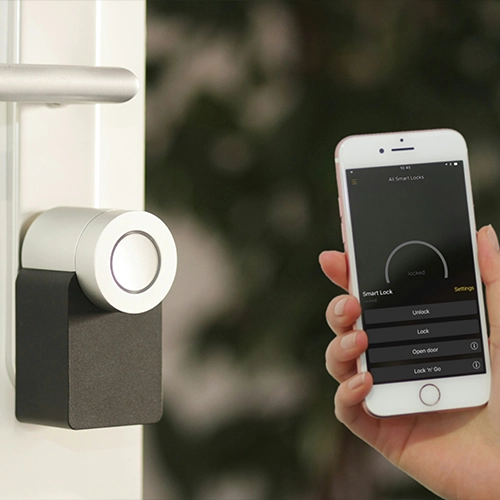
Smart technology has transformed modern homes. From connected heating and lighting to video doorbells, security cameras, and voice assistants, these systems offer convenience and control.
For many homeowners, this technology is now an integral part of day-to-day life - enhancing both the functionality and security of their property. However, as homes become more connected, they can also be exposed to digital risks.
The evolving risk landscape for modern homes
Protecting the home has traditionally focused on physical security - locks, alarms, and surveillance systems designed to prevent unauthorised access.
However, as homes become more connected, the nature of that risk is changing. Devices linked through Wi-Fi, apps, and online accounts can create new routes into home systems. As a result, protecting a home increasingly requires a more holistic approach - where physical and digital security are considered together.
Common smart home risks
Some of the more common risks associated with connected homes include:
Unauthorised access to devices, such as cameras, doorbells, or home systems
Compromised home Wi-Fi networks, potentially exposing multiple devices at once
Unintentional sharing of personal data, often through apps or device permissions
Account takeovers, particularly where passwords are reused or not sufficiently secure
While these risks may not always be visible, they can affect both privacy and peace of mind - particularly in high-value homes where security and discretion are especially important.
Reducing risk through simple precautions
Many smart home risks can be reduced through straightforward, proactive measures. Practical steps include:
Keeping all devices, apps, and systems up to date
Using strong, unique passwords for each account
Securing home Wi-Fi networks with appropriate encryption
Reviewing permissions and privacy settings across connected devices
These small but effective habits can help reduce risk.
When something goes wrong
Despite preventative steps, issues can still arise. In these situations, knowing how to respond quickly is key. Regaining control of devices, securing accounts, and protecting personal data can require specialist input. Access to expert guidance can help homeowners:
restore control of connected systems
address security vulnerabilities
protect personal privacy
prevent issues from escalating further
A more holistic approach to home protection
As homes become increasingly digital, the way we think about protection is evolving. For Private Clients, this often means taking a more joined-up view - considering both physical security and the digital systems that support modern living.
With the right digital habits and support in place, homeowners can continue to enjoy the benefits of connected technology, while maintaining confidence in the security of their home.
Peace of mind for connected living
Smart homes offer significant advantages, but they also require careful management. Understanding the risks, taking preventative steps, and knowing where to turn for support can make a meaningful difference.
For many homeowners, this also forms part of a broader approach to protecting high-value properties — where physical and digital security are considered together, rather than in isolation. You can explore this further in our article, Intelligent security: strengthening protection for high-value homes.
If you would like to discuss smart home security or explore how Personal Cyber Insurance could support your household, please contact us on 020 8256 4901 or email privateclients@howdeninsurance.co.uk.

Steve Moores
Steve brings an expertise to private client insurance. His hands on work with clients gives him a clear understanding of how cover works in practice - and how to ensure it genuinely protects what matters most.
Related Products
Don’t fall victim to a cyber-crime attack by getting a comprehensive personal cyber insurance policy.
Protecting your family in a digital world
Do you need personal cyber insurance?