

20 October 2026
George Stubbs: art, anatomy and the horse
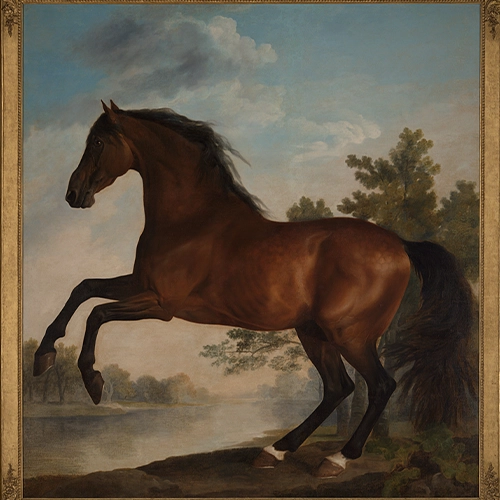
Few artists have understood the form and character of the horse quite like George Stubbs. Through close observation and an extraordinary knowledge of equine anatomy, Stubbs helped transform the depiction of horses in British art.
Two of his most remarkable works, Scrub and Whistlejacket, were painted for the Marquess of Rockingham in around 1762. Among the first large-scale British portraits to show horses without a rider or other human presence, the paintings allowed the animals to command the canvas in their own right.
Stubbs’ artistic precision was founded on painstaking research. Between 1756 and 1758, he spent 18 months studying and drawing horses in Lincolnshire, carefully recording their anatomy. This work informed his influential 1766 publication, The Anatomy of the Horse, and gave him an exceptional understanding of his subjects.
But Stubbs’ paintings were more than anatomical studies. He combined accuracy with artistic licence to convey the individual character of each horse and create works that went beyond pure naturalism.
Our feature explores the stories behind these celebrated paintings, Stubbs’ meticulous working methods and his enduring influence on equine art.
How George Stubbs changed equine painting through observation and anatomical studies
Related Products
Whether you own a single piece of art or an entire collection, find out how we can source you a fine art insurance policy that suits you.
Donald Towner: Nostalgic works a tribute to Britain and British identity
Edward Burra: ‘Painting of course is a sort of drug’